


Essentials for Mother
Preparing for motherhood can feel overwhelming. Here, you’ll find my personally recommended must-haves for comfort, recovery, and confidence during delivery and postpartum- based on real experience, not just marketing!
This page contains amazon affiliate links. I may earn a small commission if you purchase through them, at no extra cost to you. Thank you for supporting Ready For Baby!


 |  |  |
|---|---|---|
 |  |  |
Clothes
Nighties
with center button/zip
When choosing nighties for delivery and postpartum, pick loose-fitting ones- ideally a size larger for comfort. Nighties with zips can be convenient for feeding, but avoid those with zips directly over the nipple, as this can cause irritation if you develop cracks. Opt for 2–3 nighties with a center zip, or choose nighties with center buttons, as long as they allow easy access for breastfeeding.


Bras
one size larger
When choosing bras for delivery and postpartum, pick a size larger than usual, as breasts often become fuller with milk- so if you’re a 36B, try a 36D. Opt for pure cotton bras instead of banyan types, which can stick uncomfortably if you develop nipple cracks. Choose seamless bras to avoid irritation from stitches near the nipple, and always wash your bras separately in hot water to prevent infection during those early sensitive days.


Panties
Disposable
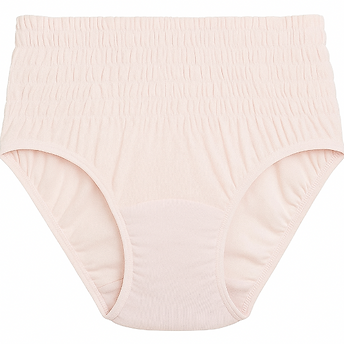
Disposable panties are extremely convenient during the initial postpartum days, especially when bleeding is heavy and washing regular panties becomes challenging- particularly in the hospital. These can be easily discarded along with used pads, making hygiene much simpler. Just make sure to choose the right size for comfort and a good fit.

Hygiene/sanitary
Makeshift/Cloth Pads
Repurpose
Old sarees, dhotis, or mundus can be repurposed into soft, breathable cloths for postpartum use. Cut into small squares, they work well as gentle wipes during bleeding. Larger pieces can be folded and secured with micropore tape to serve as makeshift pads, especially once the heavy flow subsides. Unlike commercial pads, these reduce the risk of rashes and are more skin-friendly, making them a simple, cost-effective solution for new mothers.


Sanitary Pads
Comfort is key
After delivery, you will have postpartum bleeding (lochia) lasting several days to weeks, so it’s important to stock up on soft, absorbent maternity pads. Choose options that are soft. Prolonged pad use can cause rashes, especially in hot weather or sensitive skin, so consider hypoallergenic variants if needed and change them frequently to avoid moisture-related irritation or infection. If you’re resting at home, homemade pads using clean layers of soft cotton cloth (like muslin or old dhotis) offer a breathable, eco-friendly alternative.


Breast pads
Disposable
Breast pads may not be essential for everyone, but they can be a lifesaver if you experience significant milk leakage that soaks through your clothes. I personally didn’t find them very useful, but it’s a good idea to keep a few on hand just in case- you can always buy more later if you need them.


Postpartum essentials
Donut Pillow
makes a huge difference
If you have a normal delivery and undergo an episiotomy(cut), sitting can become extremely painful. Unfortunately, frequent sitting- especially during 20- 30 minute feeding sessions every 1.5 to 2 hours- is unavoidable. In an attempt to avoid pressure on the episiotomy site, many new mothers tend to adopt awkward postures that can put excessive strain on the spine, leading to significant back pain. A donut cushion can be a lifesaver in such situations. Placed on a chair, it helps relieve direct pressure from the episiotomy area, making sitting more bearable and protecting your spine. While it may be less essential after a C-section (LSCS), back pain can begin as early as day one, so it’s wise to be prepared.


Sitz Bath
powerful tool for recovery
This is something you will likely need if you have a normal (vaginal) delivery. It’s not useful if you undergo a caesarean section. Using a sitz bath with lukewarm water and sitting on it daily- especially after passing stools, can help your episiotomy or tear site heal faster, reduce pain, and lower the risk of infection. You can either buy it in advance or order it as soon as you have a normal delivery.


Soft slippers or Chappals
Disposable
Hospital floors can be cold and not always clean, so soft slippers or chappals are a real comfort when you’re constantly shuffling between the bed and bathroom, often while carrying your baby. Pick a pair that’s super easy to slip on- fancy straps are just a hassle. Don’t bring your best footwear since they can get dirty quickly. You’ll also use them a lot at home, whenever you want something quick and comfy on your feet.

