


Essentials for Baby
Welcoming a new baby into your life is an exciting and overwhelming journey. With so many baby products, it’s normal to feel confused or unsure about what your little one truly needs. This page brings together my carefully curated list of newborn essentials- practical items and personal favorites that make daily life simpler, safer, and more comfortable for both baby and mother. Whether you’re setting up your nursery, choosing clothes, or stocking up on feeding and diapering supplies, these are my recommendations to help you feel confident and prepared as you start this beautiful new chapter.
This page contains amazon affiliate links. I may earn a small commission if you purchase through them, at no extra cost to you. Thank you for supporting Ready For Baby!


Clothing
Booties, Mittens & Cap
Avoid tight elastic
Booties and mittens help keep your baby’s tiny feet and hands warm, especially since newborns often have cold extremities and can be sensitive to cold air. These are particularly useful in colder climates or air-conditioned rooms. When choosing booties and mittens, make sure the elastic is gentle and not too tight.


Jhablas/vests
Prefer front-open
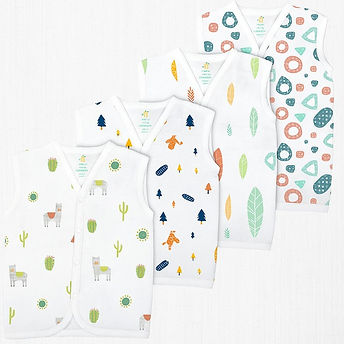
Soft cotton jhablas are essential for newborns. In summer, go for half-sleeve versions made of light, breathable cotton. In winter or air-conditioned rooms, choose full-sleeve ones. Pick front-open jhablas with buttons/zip- much easier to put on. Avoid pull-on types as they can be tricky to manage and uncomfortable. Choose ones where the sleeves and neck openings are not too tight. The ones with shoulder tie are also difficult- avoid! dont buy too many of 0-3 months, size as your baby will grow up so fast.


Night Suits / Rompers
Snug, footed rompers.
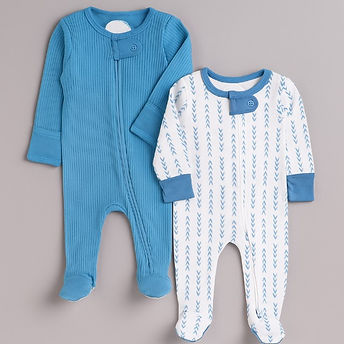
Babies love to feel warm and cozy, and while swaddling can help during the day, it’s not safe to swaddle unsupervised at night due to the risk of Sudden Infant Death Syndrome (SIDS). The safest and most comfortable alternative is to dress your baby in footed rompers for bedtime. They provide full-body warmth without the need for loose blankets or swaddles. Rompers with zippers are easier and quicker to put on than those with snap or sticky buttons, making diaper changes hassle-free.


Swaddle Clothes
Swaddle right for safe, snug comfort.
Babies love to feel cozy and secure, especially in the first few months. Swaddling helps recreate the warmth of the womb and keeps them calm and comfortable. It’s much easier to swaddle well with large cloths - ideally at least 100 to 120 cm in size. Soft muslin is perfect for our climate, while woollen or flannel cloths work better in colder regions in winter in North India.


Bootie leggings
One piece, full protection
Newborns are especially sensitive to cold, whether it's chilly winter air or the breeze from an air-conditioned room. These full-length footed pants are perfect for keeping your baby warm and cozy at all times. Unlike separate booties that can slip off, these all-in-one pants ensure your baby’s feet stay covered and snug. Ideal for both cold seasons and AC environments, they eliminate the hassle of multiple layers while ensuring maximum comfort and warmth.

Face Towel
Stay clean, stay gentle
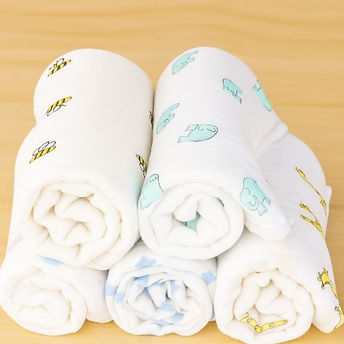
Babies tend to drool frequently, and milk leaks are common during feeds. It’s helpful to always keep a few face towels nearby for quick cleanups. Soft muslin towels are ideal - they’re gentle on the skin, highly absorbent, and dry quickly. Handy during feeding, burping, or teething.


Diapering
Diapers
No parabens/phthalates
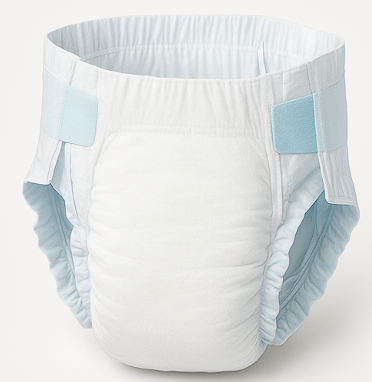
I mostly used Bambo Nature diapers- phthalate-free and biodegradable. There are two main types of diapers: pant-style and taped (sticking-type). I preferred the taped ones, like Pampers Active Baby, since babies tend to outgrow the pant style quickly and those can get tight. If you're using pant-style diapers, always tear the sides to remove a soiled diaper instead of pulling it down like regular pants to avoid mess and discomfort.


Wipes
Disposable
Wipes are an absolute essential- so stock up. Babies poop a lot, and having plenty of wipes on hand makes clean-up much easier. I learnt that some wipes can have harsh or toxic ingredients, so I switched to WaterWipes. Choose fragrance-free or water-based wipes whenever possible.


Quick Dry Sheets
Easy to wash, quick to dry
If you plan to use cloth diapers, quick dry sheets are absolutely essential. They protect your mattress and bedding from leaks. 5-6 small-sized sheets: Ideal for placing under your baby on the bed during diaper-free time or sleep. 2 cradle-sized sheets: To line the cradle mattress and prevent soiling.1-2 large sheets (bed size): Useful as your baby grows, especially for co-sleeping or playtime on your bed. These sheets are lightweight, machine-washable, and dry quickly, making them easy to reuse throughout the day.

Cloth Nappies/Diapers
One pee, one change; keep 30-40 in rotation
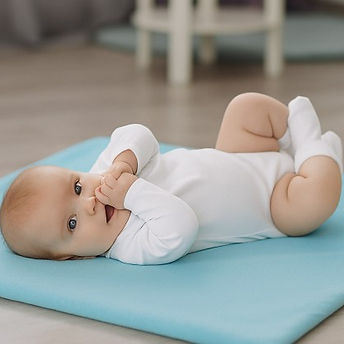
Cloth diapers, or langots, are a great option for newborns if you're choosing to avoid disposables. They hold just one pee, so they need to be changed promptly once wet. It's best not to buy only newborn sizes, as babies outgrow them quickly: invest in medium-sized ones too. You'll need around 30-40 langots for a smooth daily rotation and wash cycle.


Old Cloth Squares
A smart liner today saves your cloth diaper tomorrow.
In the initial days, newborns pass thick, sticky, black-greenish meconium stools that are notoriously hard to clean off cloth diapers. To make things easier, wash, dry, and neatly cut old cotton bedsheets, lungis, or double cloths into squares. Fold and place them inside cloth nappies or langots as liners. When soiled, these can be discarded, protecting your reusable diapers from staining or damage.

Cloth Nappies without Leak
Leak-free but less detectable
These are another type of cloth diaper. Their main advantage is that they don’t leak easily, keeping clothes and bedding dry. However, the disadvantage is that you may not realize when the baby has peed, which means the baby might stay wet longer - increasing the risk of rashes. Some parents prefer this type for its convenience. If it works well for you and your baby, use it.

Training Pants
For mobile babies
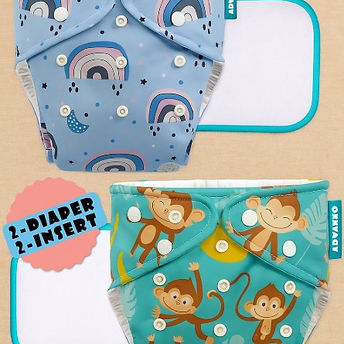
If you're committed to using cloth nappies, training pants are a great transition once your baby becomes more mobile. They're easier to wear and remove than langots and are designed to hold just one pee. As soon as the baby pees, it should be changed to prevent discomfort or rashes. Ideal for active babies and early potty training stages.


Muslin Square Towel
Layer soft, change often
A must-have if you're using cloth nappies. When lying your baby down, layer with a quick-dry sheet first, then a muslin towel, and then place the baby - this setup helps manage leaks and keeps surface soft. They absorb pee along with the nappy, so they’ll need frequent changing. You’ll need around 20-30 in total -smaller ones to lay under the baby and bigger ones to wipe after bath.


Diaper Cover
On-the-go protection
If you're planning to travel with your baby, diaper covers are essential. Accidents can happen anytime, and these covers help contain leaks, making cleanup much easier. They make it simple to remove and dispose of cloth nappies or diapers without mess, especially when you're on the move.

Buckets and Bins (with lid)
Lid it tight
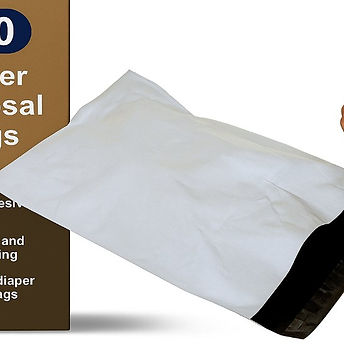
Whether you're using disposable or cloth diapers, covered storage is essential. For disposables, get a dustbin with a lid to contain odors. If you're using cloth nappies, you'll need two buckets with lids -one for pee-soaked clothes and one for poop-soiled ones. Buckets are ideal since you can wash the clothes directly in them. The lid is crucial to prevent bad smells from spreading.


Bathing
Bath Towels
Soft, quick-dry muslin
A good towel is essential for drying your baby after a bath. Choose soft, absorbent muslin towels that are gentle on delicate skin and dry quickly. Muslin is breathable, lightweight, and perfect for daily use - especially in warmer climates.


Baby Bathtubs with Sling/Seat
Start with slings for safety
In the early months, when babies are still floppy and have little head and neck control, it's safest to use a baby bathtub with a sling. The sling supports the baby securely during the bath and prevents slipping. As your baby grows and begins to sit independently, you can switch to a bathtub without a sling. Choose a sling that’s well-fitted, non-slip, and gently cradles the baby for stress-free bath time.


Baby Wash
gentle, fragrance-free, moisturizing
When choosing a baby body wash, go for gentle, moisturizing, and non-toxic formulas that protect your baby's delicate skin. Fragrance-free or naturally scented options are better for sensitive skin, and hypoallergenic labels reduce the risk of irritation. Baby washes are generally preferred over solid soaps as they are less drying and easier to use.


Miscellaneous
Sleeping & Carry Bags
comfort and convenience
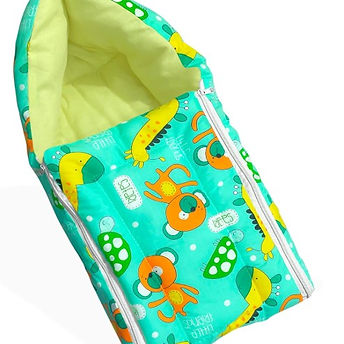
Sleeping or carry bags aren’t essential long-term, as babies quickly outgrow them. However, in the first few weeks, they can be very useful- especially for bringing your baby home from the hospital or for short outings like vaccination visits. They offer warmth, security, and portability during the early newborn phase.

Nail Clippers
trim often to avoid scratches.
Babies’ nails grow surprisingly fast, and they can accidentally scratch themselves or you. It’s best to keep a baby-safe nail clipper or file handy from the start to trim nails regularly and gently.


Strollers
lightweight, travel-friendly
When choosing a stroller, go for travel-friendly models that are lightweight and compact, especially if you plan to move around frequently. It’s best to pick one that can support your child up to 3-4 years of age, ensuring longer usability. Buggy strollers are particularly popular for travel due to their portability and ease of use. However, their main limitation is that most do not offer adjustable recline positions, which may be less comfortable for naps on the go.


